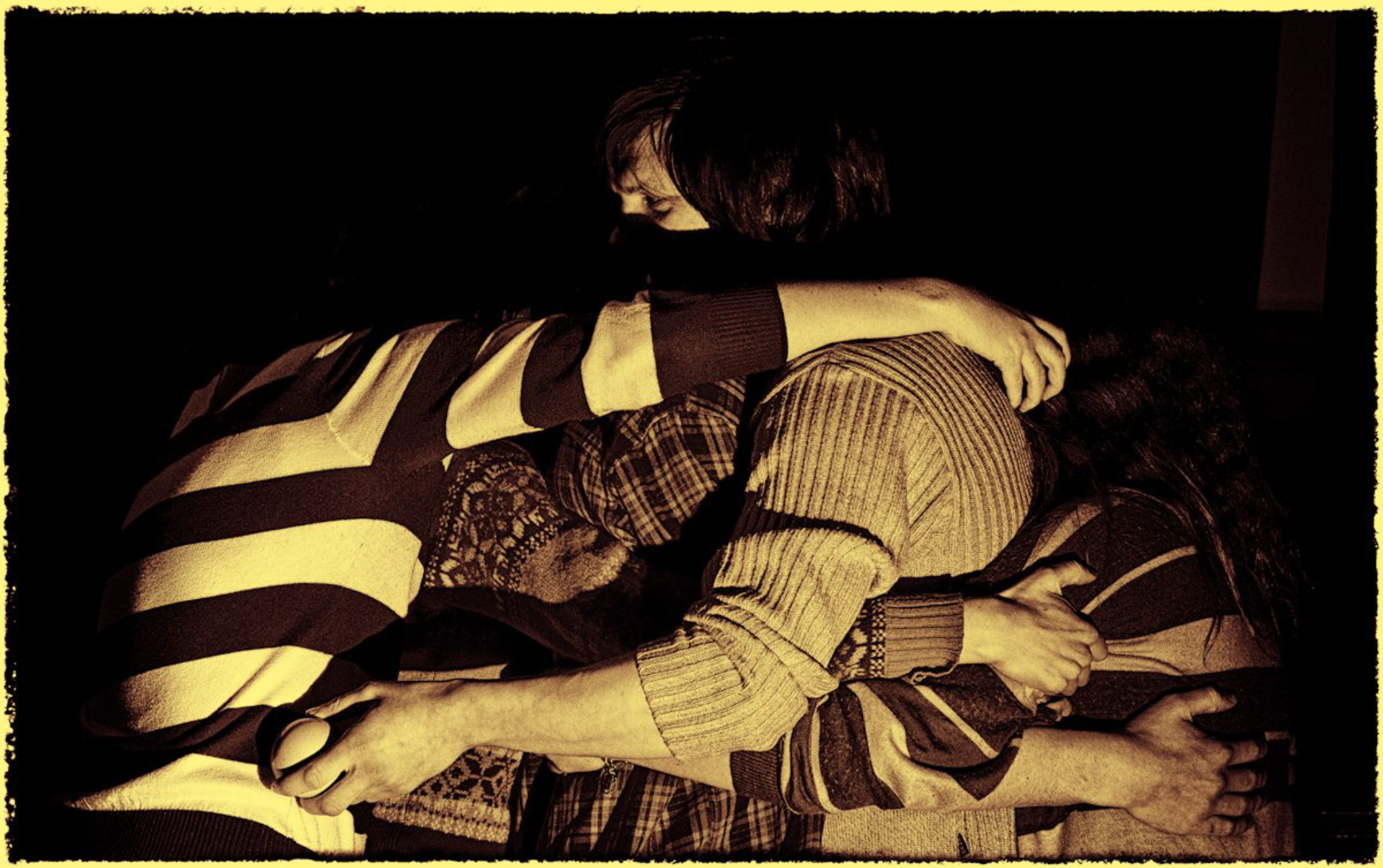
Juggling — it is not just throwing balls, after all. It is a representation of your inner world. If you are clenched, then you will throw clenched, boring. If you are open, you will try more new things, juggle wider and higher. Juggling — it is everywhere. You yourself just now turned on the voice recorder and did not even think about it, pressed the button and that is all. But you could have done it in different ways, from below, from the side, somehow else: this is already juggling. Or now you are holding a blade of grass, twisting it in your hands automatically, but you could twist it differently. Pass it from hand to hand in different ways, or to one of us. This will also already be juggling. quote from a 2014 interview, Moscow, author Denis Pogrebnoy
If this is unfolded to the limit of precision, then juggling is a continuous presence of a state without holding, where control arises through attention, time, and the choice of moment, without leaning on grip, and therefore any shift of attention instantly appears in the form of movement, in height, in width, in the very fact of whether the action happens or falls apart.
That is exactly why in complex systems, where there are more variants than can be held by hands, attention becomes the only instrument of control: to hold intention while acceleration steps back, because otherwise movement turns into automatism, and automatism into loss of focus, where habit leads until conscious movement can hand control back to you, which can also be used as an artistic device, under the condition of intention.
Why am I here?